
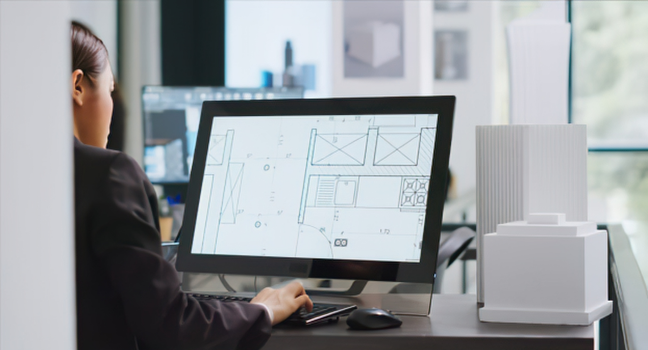
Rework often begins long before a crew notices the problem. An outdated plan remains in circulation, a change is approved through a text message, a jobsite photo is saved to one employee’s phone, or a field note never reaches the office. By the time the gap becomes visible, labor and materials may already have been committed to work that must be corrected.
Digital documentation for home builders creates a consistent record of plans, changes, approvals, photos, inspections, and decisions. The goal is not to collect more files. It is to make current information easy to find, verify, and share before a documentation gap becomes a construction problem.
Key Takeaways
Outdated plans, undocumented changes, and missed updates can lead to costly construction rework.
Centralized digital documentation helps office teams, superintendents, and subcontractors work from current information.
Consistent approval processes, version control, and communication reduce preventable mistakes.
Builders can often improve documentation using software they already own.
What Documentation Problems Commonly Lead to Rework?
Rework commonly develops when field and office teams cannot confirm which information is current, who approved a change, or whether the affected trade received it. The mistake may look like a field issue, but the underlying problem is often an incomplete or disconnected documentation process.
- Multiple plan versions stored in email, shared drives, project platforms, and personal devices
- Verbal or text-message approvals that never become part of the project record
- Photos uploaded without the correct lot, room, date, or issue information
- Change orders that are approved but not distributed to every affected party
- Inspection notes or punch-list updates that remain with one employee
- Subcontractors working from downloaded files that are no longer current
How Does Digital Documentation Reduce Rework?
Digital documentation reduces rework by giving teams one controlled process for recording, updating, and confirming project information. The practical benefit comes from version control, clear ownership, timely distribution, and a reliable history of what changed.
For example, a superintendent may receive an updated kitchen layout after the framing crew has downloaded the earlier plan. If the revision is uploaded to one approved location, the older version is archived, and affected trades acknowledge the change before work begins, the builder can avoid installing framing or rough-ins that would need to be removed and redone.
| Documentation Gap | Possible Project Impact | Better Digital Practice |
|---|---|---|
| Old plan remains available | Crew installs from an outdated detail | Maintain one approved plan location and archive superseded versions |
| Change is approved verbally | Scope, price, or schedule is disputed | Record approval, date, owner, and affected work in the project system |
| Photos lack context | Teams cannot verify conditions or completed work | Require project, lot, location, date, and issue labels |
| Updates stay in email or text | Affected vendors miss the change | Publish updates through a defined project communication channel |
| No confirmation is required | Important instructions may be overlooked | Use assignments, acknowledgments, or workflow status tracking |
Related Reading: How Shared Devices on Jobsites Open the Door to Security Breaches
What Information Should Home Builders Document Consistently?
Builders should document the information that affects scope, sequence, cost, quality, safety, inspection readiness, and customer commitments. Each record should be stored with enough context that another authorized employee can understand it without relying on the person who created it.
The Lean Construction Institute, a nonprofit organization focused on improving construction practices, identifies errors in information and miscommunication as common causes of construction rework. For home builders, maintaining accurate documentation and ensuring updates reach the appropriate teams can help prevent mistakes before work must be corrected.
- Approved plans, specifications, revisions, and distribution dates
- Selections, change orders, pricing approvals, and schedule effects
- Daily reports, jobsite photos, progress notes, and open issues
- Inspection results, correction notices, and completion evidence
- Requests for information, responses, responsible parties, and due dates
- Punch-list and warranty items from submission through resolution
Related Reading: Why Cloud-Based Project Management Matters for Growing Home Builders
How Can Builders Standardize Digital Documentation Across Jobsites?
Builders can standardize documentation by defining one process for each recurring record instead of allowing every community or superintendent to create a separate method. The process should identify where information belongs, who maintains it, and how changes are communicated.
- Choose the system of record. Identify the approved location for plans, changes, photos, inspections, and other project information.
- Define naming requirements. Use consistent project, community, lot, document, revision, and date conventions.
- Assign ownership. Name the role responsible for publishing updates and removing or archiving outdated versions.
- Control permissions. Give employees and outside partners access only to the projects and information they need.
- Create field-friendly steps. Keep required forms and uploads short enough to complete from a phone or tablet.
- Review adoption. Check whether teams are following the process and correct recurring gaps before they create rework.
Related Reading: The Benefits of Standardized Tech Tools for Homebuilding Crews
Does Better Documentation Require More Software?
Not necessarily. Many builders already use construction management platforms such as Buildertrend, Procore, or Autodesk Construction Cloud that can organize plans, approvals, photos, and project communication. The larger opportunity may be making better use of existing software, consolidating duplicate tools, and establishing consistent workflows across office and field teams. Digital documentation for home builders should simplify work, not create another place employees must remember to check.
FAQ
Digital documentation for home builders is the organized electronic record of plans, changes, approvals, photos, inspections, schedules, and other information used to manage residential construction projects.
It helps teams locate the current information, confirm approvals, distribute changes, and preserve a clear record before incorrect work is completed.
Maintain one approved source for current project information and clearly archive or restrict outdated versions so they are not mistaken for active documents.
Yes, when access is appropriate. Builders should limit each subcontractor to the projects and documents required for that party’s work.
Yes. Photos are more useful when they include the project, lot, location, date, issue, and person responsible for follow-up.
Builders should review them when recurring errors appear, when new technology is introduced, and as the company adds communities, employees, or vendors.
How Can GreenBean IT Improve Construction Documentation Systems?
GreenBean IT helps home builders improve how project information moves between office teams, jobsites, and subcontractors. We evaluate existing construction management platforms, cloud storage, device access, and system integrations to identify documentation gaps that contribute to miscommunication and rework.
Contact us to discuss how we can help your team improve access to current project information, streamline documentation workflows, and reduce avoidable construction delays.